
Ceramics
Expert ceramic restoration and conservation in London. Porcelain, stoneware, earthenware, terracotta. Private collectors and institutions.
We work with private collectors, galleries, and institutions across London and the UK on the conservation and restoration of ceramics from all periods and traditions — from Dynastic Chinese and Islamic Golden Age ceramics to European Delftware, Majolica, Art Deco pieces, and contemporary works.
Our Ceramics conservators specialise in a wide range of materials and techniques, including glazed and unglazed porcelain, stoneware, and earthenware. We provide expert treatments, including cleaning, precise rejoining, filling, retouching, and the reconstruction of missing sections, using conservation-grade methods. We also offer traditional kintsugi as an alternative repair method, where appropriate.
Every intervention is guided by a commitment to preserving structural stability and visual balance, while fully respecting the historical integrity of each object.
Services include:
- Glazed and unglazed ceramics
- Porcelain – including fine china and bone china
- Stoneware – including traditional, salt-glazed, and raku-fired
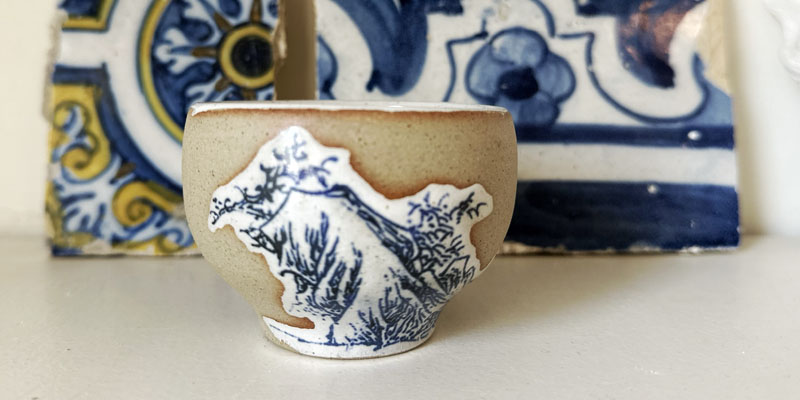
- Earthenware – including terracotta, Delftware, Majolica, slipware, and faience.
- Ancient and Historical Ceramics
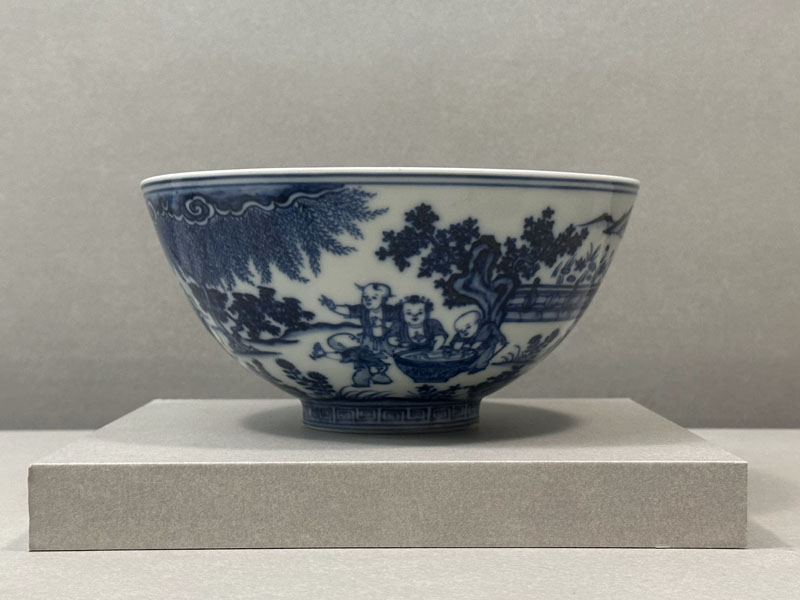
- Chinese: Tang, Song, Ming, and Qing Dynasty wares, and export porcelain
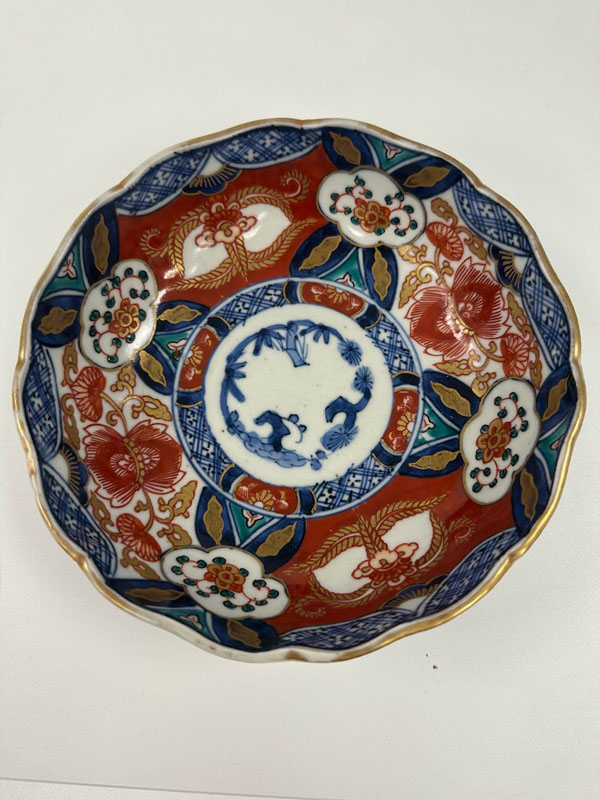
- Japanese: Imari, Kakiemon, Satsuma, and contemporary studio ceramics
- Korean: Goryeo celadon, Joseon white porcelain, Buncheong ware
- Ancient & Historical Movements
- Ancient Greek and Roman pottery, including archeological material
- Islamic Golden Age: Lustreware, Iznik, and Persian ceramics.
- Art Deco and 20th century decorative ceramics
- Studio and Contemporary Ceramics
- British Studio Pottery – including works by Lucie Rie, Hans Coper, Bernard Leach, and Michael Cardew
- Contemporary ceramics and sculptures – including works by Grayson Perry, Edmund de Waal, and Ai WeiWei
- Ceramic-Related Specialist Services
- Kintsugi and lacquer restoration using gold and silver leaf
- Architectural sites, facades, and buildings
- Ceramic tile panels and mosaics
- Archaeological objects
* The categories listed above are representative examples. We work with a far broader range of ceramics, decorative arts, and related materials, and are always happy to discuss unusual, specialist, or mixed-media pieces.
How Ceramic Restoration Works at Gamma Conservation
1. Initial assessment — send us photographs, dimensions, and a brief description of material and damage. We respond with a free, no-obligation estimate within two working days.
2. Treatment proposal — we provide a written treatment proposal outlining the estimated work, timeline, and cost before anything begins.
3. Collection of your object — we can organise the collection of your piece and provide options. Alternatively, you are welcome to book an appointment and visit our studio in West Kensington, London.
3. In-person examination — our conservators will assess the piece in our West Kensington studio. The estimate is confirmed or revised at this stage.
4. Conservation treatment — most work (aside from specialist conservation services) is carried out using re-treatable, conservation-grade materials. We document each stage with photography.
5. Review and return — you review the work before final payment and delivery. We can provide a formal condition report documenting the treatment upon request.
Why Collectors Choose Gamma Conservation for Ceramic Restoration in London
- Our conservators are professionally trained and accredited
- Treatments are reversible and carried out to museum standards
- We work with a vetted network of international specialist conservators — every project is matched to exactly the right expertise
- Our studio is based in West Kensington, London — collection and delivery across London arranged with our specialist logistics partner
- We serve private collectors, galleries, auction houses, museums and institutions
Studio Location and Collection Service
Gamma Conservation’s ceramic restoration studio is based in West Kensington, London W14 — within easy reach of Kensington, Chelsea, Knightsbridge, Mayfair, and Notting Hill. We offer collection and delivery across London through our specialist fine art logistics partner. If you are outside London, we can advise on the safest way to transport your piece to us.
Gallery


Contact us
Frequently Asked Questions — Ceramic Restoration London, West Kensingon
Q: Where can I find ceramic restoration near me in London?
A: Gamma Conservation is a ceramic restoration studio based in West Kensington, London, specialising in the conservation and restoration of antique and contemporary ceramics. We work with private collectors, galleries, insurers, and institutions across London and the UK. Collection and delivery can be arranged through specialist art handlers, or objects can be brought to our studio by appointment.
Q: How do I get my ceramic to you for restoration?
A: We offer collection and delivery across London through our specialist logistics partner. Alternatively, you can bring pieces to our West Kensington studio by appointment.
Q: How much does ceramic restoration cost in London?
A: Costs vary depending on the extent of the damage and the treatment needed. We provide a free estimate based on photographs before any commitment.
Q: How long does ceramic restoration take?
A: Most ceramic restoration projects are completed within 2–4 weeks. Complex pieces requiring extensive retouching or reconstruction may take longer. We agree on a timeline with every client before work begins.
Q: Will the restoration be visible?
A: Our aim is always for repairs to be as discreet as possible. We are transparent about what is achievable for each piece and will discuss the expected outcome before work begins.
Q: Can you restore previously repaired ceramics where old repairs have discoloured or failed?
A: Yes — this is one of the most common scenarios we encounter. We assess and, where appropriate, remove old restoration residue before applying new conservation-grade materials.
Q: What is kintsugi, and is it suitable for my piece?
A: Kintsugi is the Japanese art of repairing ceramics with gold or silver lacquer, treating the repair as part of the object’s history rather than concealing it. It is a beautiful alternative for the right piece. We offer kintsugi and can advise whether it is appropriate for your ceramic.
Q: Do you restore ceramics for insurance claims?
A: Yes. We provide condition reports and treatment proposals suitable for insurance purposes, and we work with insurers and loss adjusters on ceramic damage claims.
Q: Do you work with Chinese and Japanese ceramics?
A: Yes — Chinese and Japanese ceramics form a significant part of our work, including Chinese export porcelain, Tang Dynasty pieces, Japanese Imari, Kakiemon, Satsuma ware, and contemporary Japanese studio ceramics.
Q: Can chipped porcelain be repaired?
A: Yes — chipped porcelain can often be restored using conservation-grade fills and colour-matched retouching. The extent of invisibility depends on the size and location of the damage, but repairs can usually be made far less noticeable.
Q: Do you restore antique ceramics and porcelain?
A: Yes. We specialise in the conservation and restoration of antique ceramics and porcelain, including decorative objects, vases, figurines, tableware, and archaeological ceramics.
Q: Can you repair broken ceramic vases?
A: Yes — we regularly restore broken ceramic and porcelain vases, including objects broken into multiple fragments. Treatments may include cleaning, rejoining, filling losses, and detailed retouching.
Q: Do you restore ceramic sculptures and figurines?
A: Yes — we restore ceramic sculptures, figurines, and decorative objects, including losses to delicate protruding elements such as hands, heads, handles, and ornamental details.
Q: Can you recreate missing ceramic pieces?
A: Yes, where appropriate, we can reconstruct missing areas using reversible conservation materials. This may include rebuilding rims, handles, decorative elements, or structural losses.
Q: Do you use museum-grade restoration materials?
A: Yes. We use professional conservation-grade materials chosen for their stability, reversibility, and suitability for long-term preservation.
Q: Do you offer ceramic restoration outside London?
A: Yes. While our studio is based in West Kensington, London, we work with clients across the UK and can arrange specialist art transport where required.
Q: Can you restore valuable or museum-quality ceramics?
A: Yes. We work with private collectors, galleries, dealers, and institutions on historically important and high-value ceramic objects requiring sensitive conservation treatment. Our conservators use conservation-grade materials and the treatments are reversible.
Q: What is the difference between ceramic restoration and conservation?
A: Conservation focuses on stabilising and preserving the object while respecting its history and original material. Restoration may also include aesthetic reintegration to improve the visual appearance of damage.
Q: Can you repair ceramic handles, lids, and spouts?
A: Yes — detached handles, lids, finials, and spouts are among the most common ceramic repairs we undertake in our London ceramic studio.
Q: How should I package a broken ceramic before transport?
A: We recommend wrapping fragments individually in tissue or bubble wrap and avoiding pressure on broken edges. We are happy to advise clients on safe packing before transport.
Q: Do you work with contemporary ceramics and studio pottery?
A: Yes. Alongside antiques, we also restore contemporary ceramics and studio pottery, including works by living artists and collectable design pieces. Artists such as Lucie Rie, Hans Coper, Bernard Leach, Pablo Picasso, Grayson Perry, Edmund de Waal, Clarice Cliff, Keith Murray, Wedgwood and many others
Q: Can hairline cracks in porcelain be repaired?
A: Hairline cracks can often be stabilised and visually reduced, although complete invisibility might not always be possible. We assess each piece individually and advise on the most appropriate treatment.
Q: Do you offer condition reports in London?
A: Yes, Gamma Conservation is based in West Kensington, and we are well-positioned to carry out condition reports, technical assessments, and pre-transport checks across a wide range of materials, including ceramics, works on paper, paintings, decorative arts, textiles, metal, and stone.
Q: Do you have a collection care guide?
A: Yes, we do. You can read more here: https://gammaconservation.com/2026/04/02/preventive-conservation-how-collectors-can-protect-art-at-home/